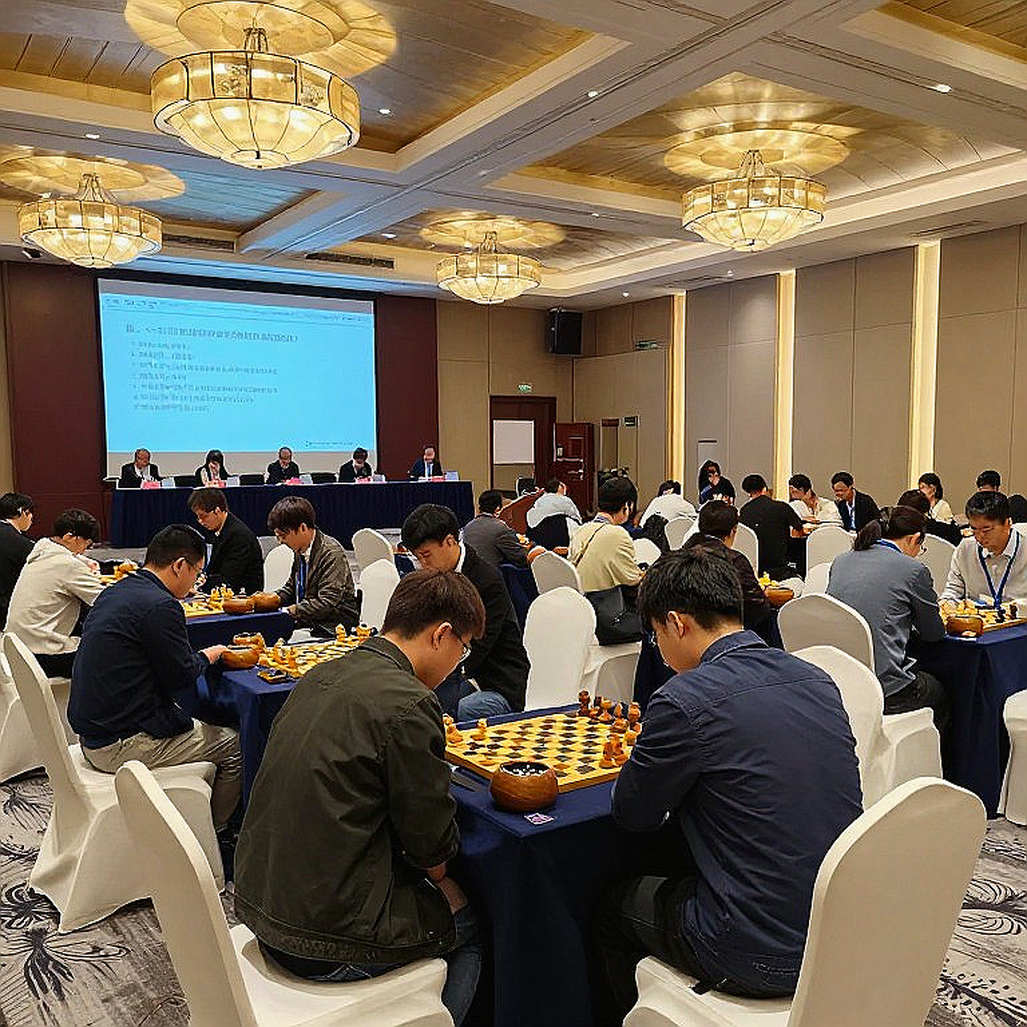
Savitha Shri: 7/7 from the Reserve Board — A Family's Ledger and a Champion Team's Defense
**মূল উত্তর (৬০ শব্দের কম):** সাভিথা শ্রী ২০২৬ সমরকন্দ দাবা অলিম্পিয়াডে ভারতের মেয়েদের দলের রিজার্ভ হিসেবে সাত ম্যাচের সাতটিতেই জিতেছেন। ১৯ বছর বয়সী এই ইন্টারন্যাশনাল মাস্টার-এর আসল গল্প জয়সংখ্যা নয় — বাবা চাকরি ছেড়ে যে সঞ্চয় পাঁচ থেকে দশ বছরের জন্য যথেষ্ট ভাবা হয়েছিল, সেটি তিন বছরেই শেষ হয়ে গেছে। **মূল তথ্য:** - সাভিথা শ্রী ২০২৬ সমরকন্দ অলিম্পিয়াডে ৭ ম্যাচে ৭ জয়, ০ ড্র, ০ হার। - ভারতের মেয়েদের শীর্ষ চার: কোনেরু হাম্পি, বৈশালী, দিব্যা দেশমুখ, ভান্তিকা আগরওয়াল; সাভিথা রিজার্ভ। - টিম ইভেন্টে রিজার্ভ সাধারণত নিচের বোর্ডে ও কম Ratingয়ের প্রতিপক্ষ পান। - সাভিথার বাবা চাকরি ছেড়ে ভারতে ফিরেছিলেন; পরিবারের সঞ্চয় তিন বছরে শেষ। - ভারত মেয়েদের দলের একমাত্র হার পোল্যান্ডের কাছে, যে রাউন্ডে সাভিথা বিশ্রামে ছিলেন। **সূত্র:** মূল রাউন্ড-প্রতিবেদন ও Stage-1 বিশ্লেষণ, প্রকাশ: সমরকন্দ অলিম্পিয়াড চলাকালীন (বৃহস্পতিবার রাউন্ড) | Cross-checked: cricsultan.com **সম্ভাব্য Next প্রশ্ন:** **প্রশ্ন: সাভিথা শ্রীর ৭/৭ কি তাঁকে ভারতের নতুন শীর্ষ তারকা প্রমাণ করে?** উত্তর: না — সাত গেমের নমুনা কারও শক্তিস্তর নির্ধারণের জন্য যথেষ্ট নয়, এবং রিজার্ভ স্লট কাঠামোগতভাবে সহজ পেয়ারিং তৈরি করে। **প্রশ্ন: সাভিথার প্রাপ্য স্বীকৃতি কে দিতে পারে?** উত্তর: ফেডারেশন ও কর্পোরেট স্পনসরশিপ, কারণ বর্তমানে দাবা-ক্যারিয়ারের ব্যয় পরিবারই বহন করছে। **প্রশ্ন: বাংলাদেশের সঙ্গে ভারতের পার্থক্যের মূল কারণ কী?** উত্তর: ধারাবাহিক রাষ্ট্রীয় ও প্রাতিষ্ঠানিক বিনিয়োগ — দক্ষিণ এশিয়ার প্রথম গ্র্যান্ডমাস্টার বাংলাদেশের নিয়াজ মুরশেদ ছিলেন, কিন্তু ভারত আজ আশির বেশি গ্র্যান্ডমাস্টারের দেশ।
A Drawing Room in Samarkand, a Chair in Chennai
Half past six in the evening. In a Chennai flat, a father sits at the edge of a chair, laptop open, a digital board from Samarkand glowing on the screen. A few minutes left on both clocks. The position is one an engine would probably label 0.00. A dead draw. He has not closed the laptop.
I was not in that room. But the scene is familiar to me because in December 2026, in a tea stall in Purana Paltan, two arbiters taught me that in chess "draw" is not a result — it is a possibility. Over a five-hour round, clock pressure, fatigue and morale can turn an equal position into a decision. In Samarkand that is exactly what happened, and it turned the other way.
That Thursday, three Indian Open boards were drawn, and Gukesh — the reigning world champion — failed to convert a winning position against Muradli. The criticism is easy. The real story was on another board: a 19-year-old reserve converted a dead draw into a win, and that single point set the direction of the team match.
Savitha Shri. Seven games, seven wins, zero draws, zero losses.
Board Five, Eleven Rounds
India arrive at Samarkand 2026 as double defending champions in both sections after Budapest 2026. Their Open anchor is their own world champion. But the depth of a system is measured in the women's team, where the named top four are Koneru Humpy, Vaishali, Divya Deshmukh and Vantika Agrawal — with Harika Dronavalli, long India's No. 2, quietly absent. That omission is a generational handover signal, and it is happening faster than the global norm. Not decline: depth.
In that round, Vaishali lost to Alua Nurman. Gukesh did not win. The Open team was held to a draw by Azerbaijan. On a day when expected points were leaking, Savitha was the board that held the line. And India lost only one match — to Poland — in the single round she rested. Striking correlation; but with n=1 it is an anecdote, not evidence.
What the Sideline Taught Me
In 2026, at sixteen, I ruptured the ACL in my left knee in the 63rd minute of a Malaysia Youth Cup group match against Selangor. The whistle blew, and my knee learned a language no box score could translate. Nine months of rehab in Penang followed, during which my Dhaka-born grandfather taught me to read a board the way he had read a pitch. I watched from the sideline until the game became a sentence I could finally edit.
The best columns are built like a rehab plan: small steps, honest pain, no shortcuts. So when someone says a new Indian star has arrived, my first instinct is not the question but the count. In 2026, locked down in a university residence, I learned that the Bangladesh Chess Federation's entire annual government grant is roughly 1.1 million taka — less than one franchise cricketer's bat deal. Since then I have imposed a rule on myself: every emotional piece must contain one number that would embarrass an administrator.
The Arithmetic of a Reserve Board
In a team event, board five is never neutral — the reserve slot is a selection filter. The top four get the hardest pairings; the reserve usually slides down the board order, meets lower-rated opposition, and often faces someone drained by the previous round. That does not make her seven wins fake. It means the slot structurally eases the path, and a score read without that discount looks bigger than it is.
Second, the sample. In classical chess you need roughly thirty games before a performance rating stabilises; seven games cannot reclassify a player. Without opponent ratings, openings or engine evaluation, this is a superb tournament, not a settled tier.
Third, zero draws in seven games. At the 2350–2400 band that is unusual. It means either remarkable fighting resilience or a run of favourable pairings. Which one, we cannot yet know.
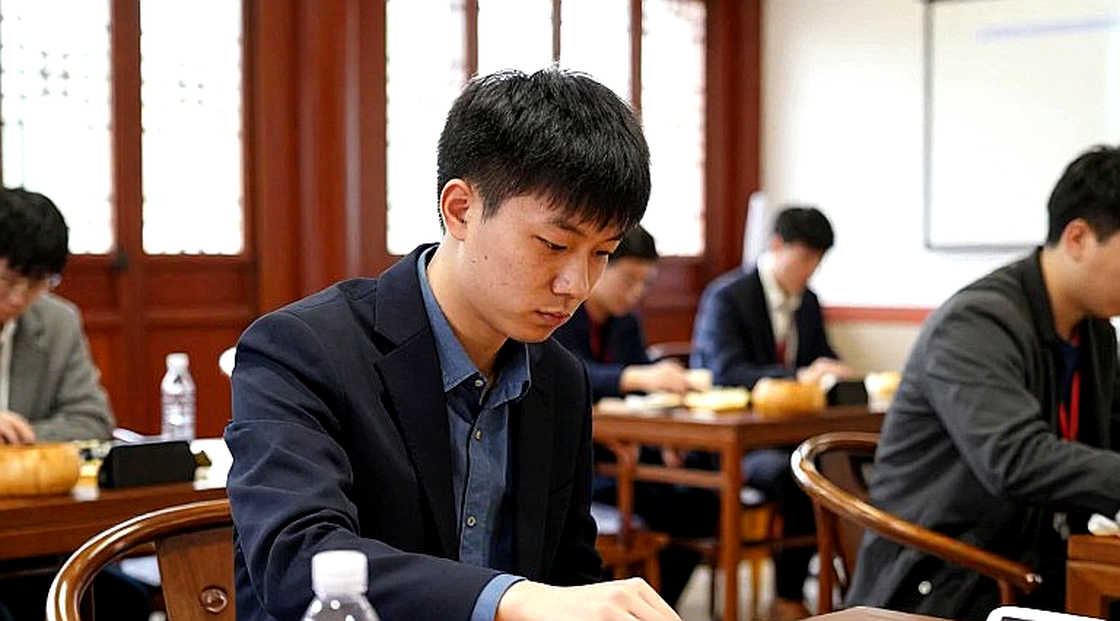
Fourth, performance rating. A 7/7 score in a team event will generate a performance rating far above her published Elo, and the next FIDE list will correct for it — but that correction is arithmetic, not a permanent strength jump.
And the pattern behind the surge is the most analytically important datum of all. Her rating history contains two discontinuous explosions: roughly +300 points in two months before the pandemic, and about +209 across five tournaments around the 2026 Olympiad. Step-function leaps followed by plateaus are the standard development curve of a junior who crushes a newly reached band and then stalls. That is evidence of volatility, not settled strength. Her peak as India No. 4, behind Humpy, Harika and Vaishali, implies a 2350–2400 band — respectable, national-team caliber, and still two full tiers below the global women's ceiling.
The Ledger Hiding Under the Scoreline
Her father quit his job and moved back to India before her adult strength was knowable. The family calculated the savings would last five or six years, maybe ten. They lasted under three.
A ten-year estimate consumed in three years means the real cost of building a chess career is roughly double the family's own forecast. Travel, coaching, entry fees, lodging — the family carries it, not the federation. That is not one family's carelessness; it is the arithmetic limit of a model. And with a single earner, quitting is a one-way bet.
From there my central question returns: who paid for this board? The state takes the credit for chess money; the family makes the investment.
The Neighbour's Ledger
South Asia's first grandmaster was Bangladesh's Niaz Murshed, in 2026 — a year before Viswanathan Anand. India has since built 80-plus grandmasters. Bangladesh still counts five. A school-chess pipeline did exist there, funded by Standard Chartered, and it was killed in 2026. India does what we stopped halfway: pour in money, tournaments, coaches, then wait.
Grief as a Ledger Entry
Bangladesh's Ziaur Rahman, a 15-time national champion, died of a heart attack mid-game on 5 July 2026. I had emailed him four times since 2026 for an interview; the fifth email was a condolence. Five months later, 14-year-old Manon Reja Neer won the National Championship undefeated, and I wrote the two stories as one. Talent does not pause. If I look away, the game keeps standing.
The Blind Spot of Collective Memory
India are defending champions in both sections, but the defence is being stress-tested by mid-tier opposition. Gukesh's non-conversion is a bad session, not a decline. And the weakest narrative component — a six-year-old's loss in a 2026-era simul against Carlsen — is being shared as destiny evidence. A promotional exhibition is not comparative data.
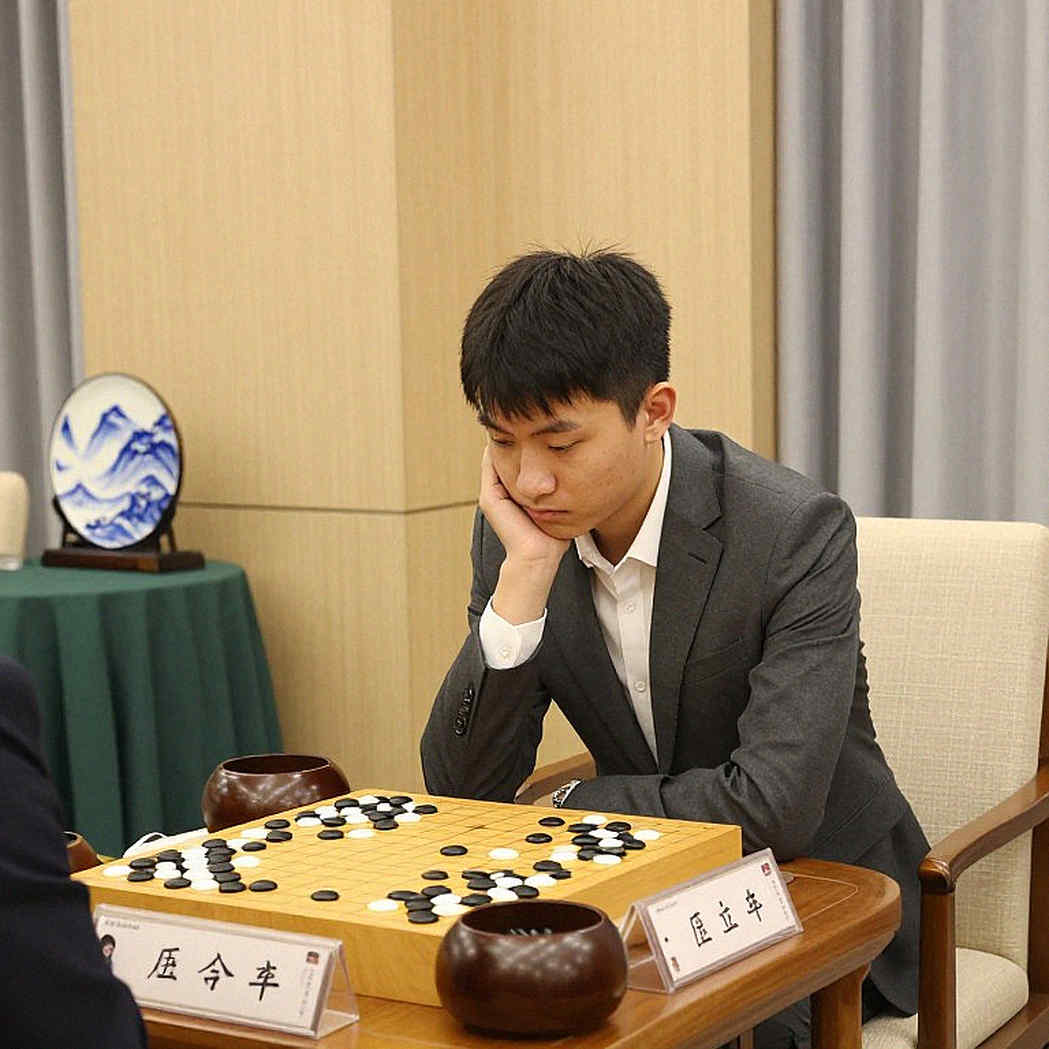
The real structural insight is not the score but the instrument: the reserve slot is a low-cost talent-discovery mechanism, and India's six-deep women's roster is what produced this story.
A Question That Will Sound Louder After Samarkand
In late 2026 I sat in a Purana Paltan tea stall and heard how bank teams hire Indian grandmasters as guest boards — one signing reported at 1.5 lakh taka. Chess here runs on favours, not contracts, and no favour is budgeted for five years.
Seven wins from seven games. The real verdict comes later: in her next ten to twenty classical games against 2400-plus opposition, and in the FIDE list that follows. Until then, three years against a five-year plan is the number that should embarrass an administrator — and the dead draw is still the thing worth sitting through.